

What Do META, COVID, XUPERMASK, QUEST VR, and AI GLASSES Have in Common?


Felipe Guerrero
SQA Warrior


Build Products That Help People Every Day
I tried two products that got a lot of attention: Meta's Quest VR headset and will.i.am's Xupermask. My nephew Jero loved the headset and its virtual worlds, and I can see why. But after using both, I learned one big lesson that my nephew didn't notice, because he was caught up in the excitement: a product wins when it helps or entertains people with something they do or almost do every day.
A moment is not an everyday opportunity
The Xupermask solved a problem for only a moment in history, and it came out late. When that moment ended, people stopped needing it, or they did not even have the chance to buy it. With an initial price of US$299 when it was released in 2021, the Xupermask company was closed in 2023, and some of the masks can be found in US$45
The Quest is impressive, but for me it didn't solve any daily problem. It's fun for a while, and then it goes back in the box until a friend or someone in the family comes to visit you and you get it out from the box to use it again. That's a lot to pay for something you barely use: today the Quest 3S costs $349.99 and the Quest 3 costs $599.99. For Meta, the cost has been even bigger. Reality Labs, the division that makes the Quest, has lost more than $85 billion since 2020, including $19.2 billion in 2025 alone.
A moment that became an every day opportunity
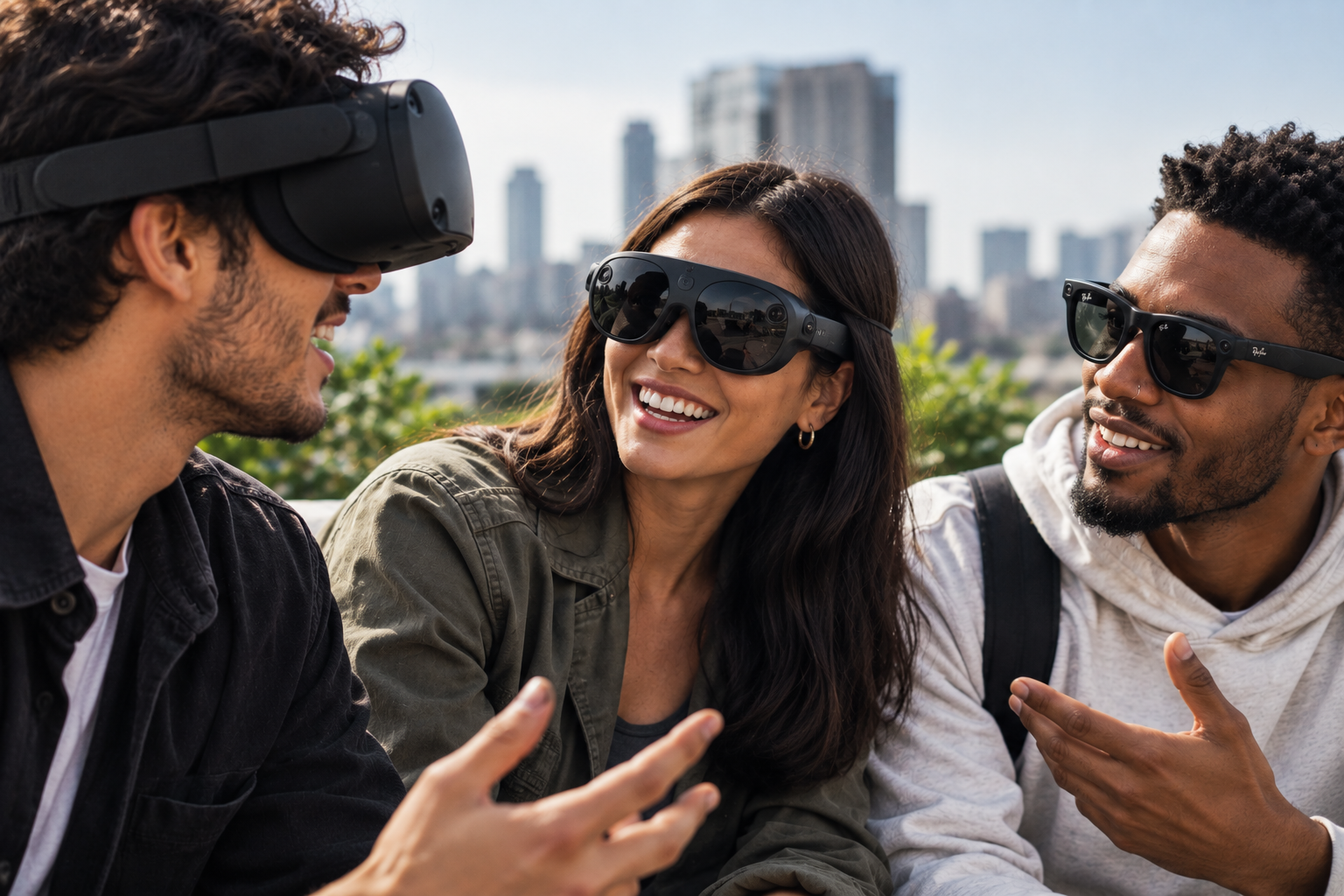
Meta's AI glasses show the other side. Leaving those losses aside, these glasses are doing well because they are light - look like normal glasses -, and the AI built into them makes them useful every day. You can ask the glasses what you're looking at, translate a menu or a conversation into another language, get quick answers to questions, take photos and videos hands-free, listen to music or take calls, get guidance to find an address, and receive suggestions along the way. The AI turns a pair of glasses into a helper you can wear all day. Same company, very different result.
Where Did Quest and Xupermask Fail? Or Didn't They Fail at All? Were They Just Small Steps Toward Bigger Things?
With the headset, I felt dizzy after a while, it was heavy even for an adult, the controllers sometimes stopped responding, and apps took a long time to open without showing a loading bar. With the Xupermask, the battery lasted about two hours. That's not enough for a five-hour flight or a long concert, leaving you looking for a charger while still being exposed to COVID. It was also heavier than I expected. These problems were not hard to find. A customer would have noticed them in the first hour.
Test Early with Customers or People Who Aren't Emotionally Attached to the Product
Two types of tests would have made both products better.
Product testing during design. Let real users try early versions before the design is final. They would have noticed the weight and the dizziness right away, and these things are much cheaper to fix early than after the product is in stores.
Requirements testing. Decide what normal use looks like and test against it. A mask made for travel, concerts or long interactions in public should last five hours or more, not two. A headset should be comfortable for a full session without making people dizzy.
With that feedback, both teams could have improved the controls, the weight, and the battery, and built products people really want to use.
The takeaway
Great technology is not enough. Build for everyday needs, test with real users early, and turn what you learn into clear requirements. That's how a good idea becomes a product people keep using.